
Thematic Axes of the I LOGISTOP Scientific-Technological Congress 2026
Below you will find the topics indicated for the I LOGISTOP Scientific-Technological Congress 2026. Each axis groups specific lines of work aimed at the presentation of abstracts and scientific-technical contributions.
Sustainability and energy transition in logistics
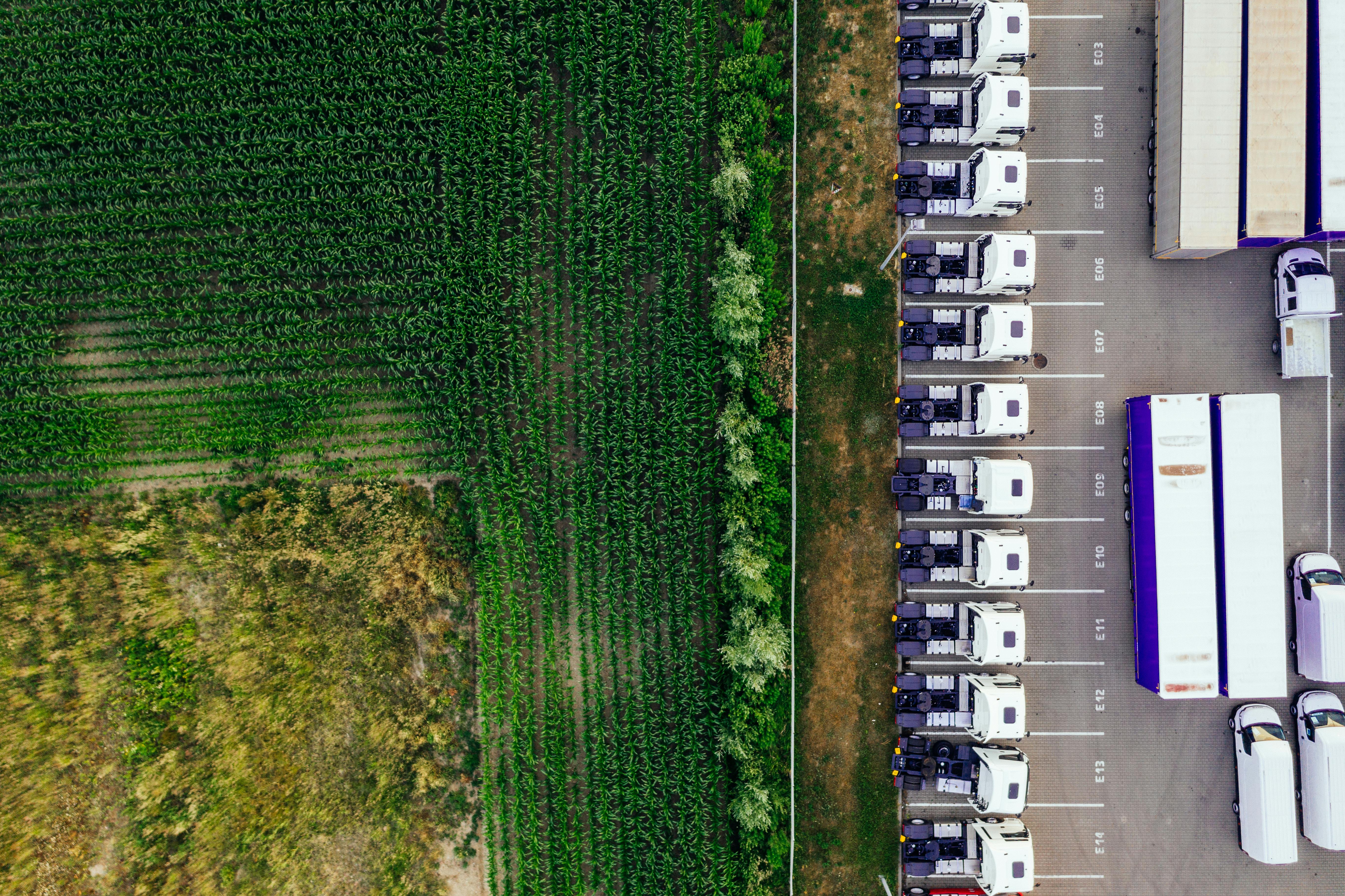
This theme explores how logistics can evolve to become more efficient, lower in emissions, and better equipped to meet the sector’s growing regulatory, environmental, and economic challenges. It focuses on initiatives aimed at reducing the environmental footprint of supply chains, improving energy efficiency, and deploying innovative operational and technological solutions that support a more sustainable and resilient logistics ecosystem.
Logistical, emergency and critical infrastructure resilience
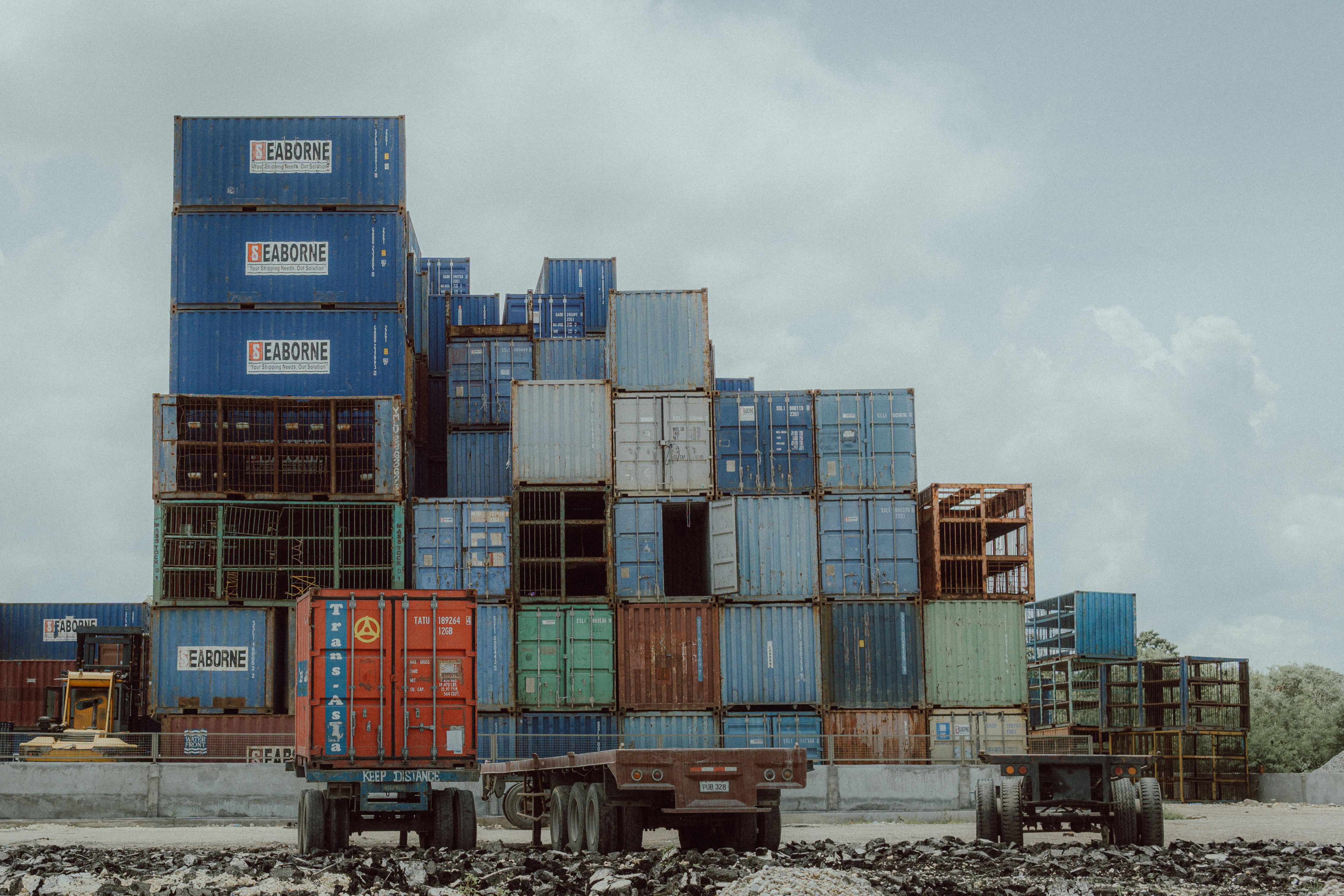
This theme focuses on strengthening the resilience and adaptability of logistics systems, enabling them to anticipate, withstand, manage, and recover from disruptions, crises, and emergency situations. It encompasses initiatives related to business continuity, critical supply chains, infrastructure protection, security and risk management, real-time monitoring, and advanced technologies designed for complex operating environments, including dual-use solutions that serve both civil and security applications.
Digitalisation, interoperability and advanced traceability

This axis addresses the role of digital technologies as a basis for more connected, visible, intelligent and efficient logistics. It is aimed at contributions on system interoperability, data integration, end-to-end traceability, automation, advanced analytics and new digital tools capable of improving decision-making and coordination between actors.
Port, intermodal logistics and smart corridors
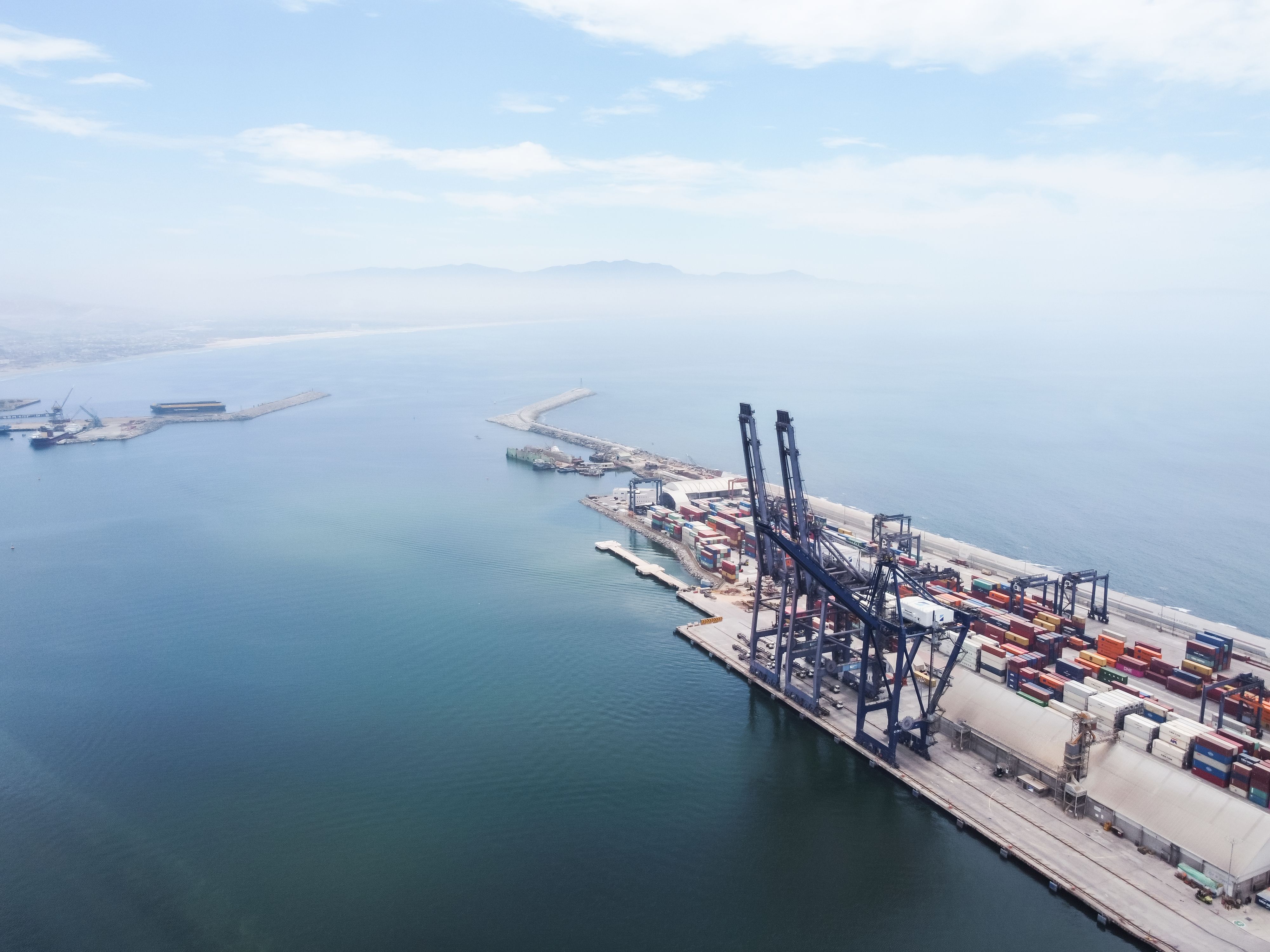
This axis focuses on the optimisation of logistics flows in port, intermodal and multimodal environments, as well as on improving connectivity between nodes, territories and infrastructures. Contributions aimed at operational efficiency, digitalization, modal synchronization, sustainability and traceability in complex logistics chains with high territorial impact are sought.
Urban, last-mile and omnichannel logistics

This axis addresses the logistical challenges associated with distribution in urban environments, the last mile, reverse logistics and the adaptation of operations to the omnichannel model. It includes work aimed at new delivery solutions, urban regulation, network optimization, integration of physical and digital channels and improvement of efficiency in contexts of high operational complexity.